͏ ͏ ͏ ͏ ͏ ͏ ͏ ͏ ͏ ͏ ͏ ͏ ͏ ͏ ͏ ͏ ͏ ͏ ͏ ͏ ͏ ͏ ͏ ͏ ͏ ͏ ͏ ͏ ͏ ͏ ͏ ͏ ͏ ͏ ͏ ͏ ͏ ͏ ͏ ͏ ͏ ͏ ͏ ͏ ͏ ͏ ͏ ͏ ͏ ͏ ͏ ͏ ͏ ͏ ͏ ͏ ͏ ͏ ͏ ͏ ͏ ͏ ͏ ͏ ͏ ͏ ͏ ͏ ͏ ͏ ͏ ͏ ͏ ͏ ͏ ͏ ͏ ͏ ͏ ͏ ͏ ͏ ͏ ͏ ͏ ͏ ͏ ͏ ͏ ͏ ͏ ͏ ͏ ͏ ͏ ͏ ͏ ͏ ͏ ͏ ͏ ͏ ͏ ͏ ͏ ͏ ͏ ͏ ͏ ͏ ͏ ͏ ͏ ͏ ͏ ͏ ͏ ͏ ͏ ͏ ͏ ͏ ͏ ͏ ͏ ͏ ͏ ͏ ͏ ͏ ͏ ͏ ͏ ͏ ͏ ͏ ͏ ͏ ͏ ͏ ͏ ͏ ͏
<!–
[ Stripe ] [[https://stripe.com?utm_medium=earned-email&utm_source=marketo]]
<!–
|
|
|
Unlock growth with usage-based pricing
|
|
|
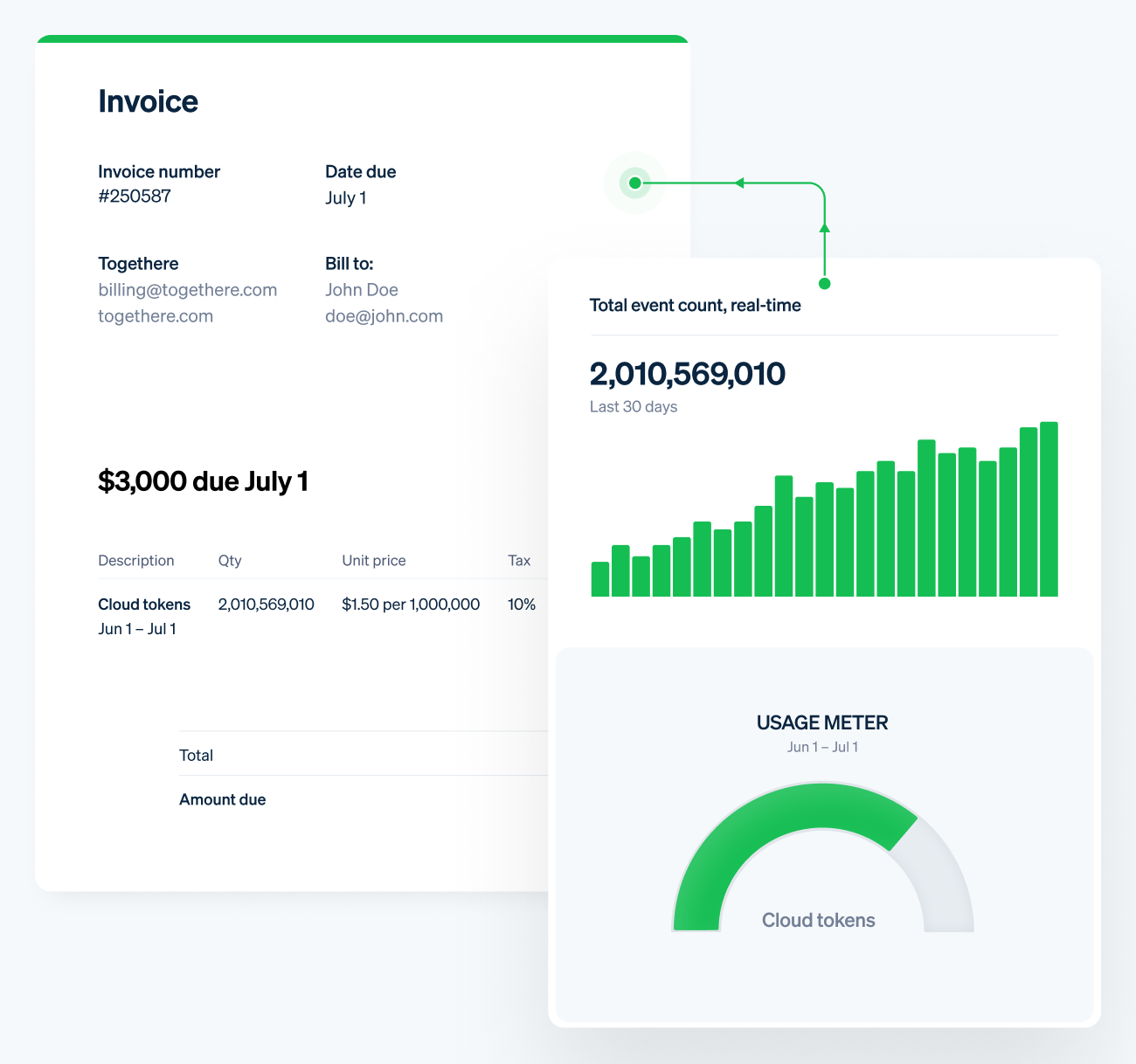
Usage-based pricing (UBP)—where customers pay based on their use of a product or service—can work well for customers who are just getting started and can help you adapt more quickly to market fluctuations.
But how do you know whether a usage-based pricing model is right for your business? And how might it impact your operations? This guide can help answer those questions.
|
|
|
|
|
[ How to assess whether usage-based pricing is right for your business ] [[https://go.stripe.global/rs/072-MDK-283/images/How_to_assess_whether_usage-based_pricing_is_right_for_your_business.pdf?utm_medium=marketing-email&utm_source=0d1e&utm_campaign=US/CA_41a6&utm_content=9c48&utm_term=1bfe06695ef1]]
<!–
|
|
|
|
|
- The pros and cons of usage-based pricing vs. flat-rate subscriptions
- Common usage-based pricing models and their components
- The most important things to consider when evaluating a UBP model
|
|
|
|
|
|
|
|
[ Stripe ] [[https://stripe.com?utm_medium=earned-email&utm_source=marketo]]
<!–
|
|
|
|
|
|
|